The Quiet Wonder of the Aquarium: Why Communal Spaces Benefit from an Underwater World
There is something almost hypnotic about watching fish glide silently through clear water. The gentle shimmer of light through a well-planted tank, the slow drift of a leafy Amazon sword plant, the flash of colour from a shoal of neon tetras darting in perfect unison — it is a sight that can stop a person mid-thought and, for a moment at least, make the world feel considerably calmer. It is no surprise, then, that aquariums are increasingly finding their way into communal settings: GP surgeries, solicitors’ offices, school reception areas, corporate lobbies and hospital waiting rooms. Far from being a mere decorative curiosity, a well-maintained aquarium brings with it a remarkable range of benefits that touch on mental health, productivity, education and the general atmosphere of a shared space.
Content
A Natural Remedy for Stress and Anxiety
Perhaps the most compelling argument for placing an aquarium in a communal setting is the well-documented effect it has on human stress levels. Research carried out at the National Marine Aquarium in Plymouth, in collaboration with the University of Exeter and the University of Plymouth, found that observing fish in an aquarium environment led to measurable reductions in heart rate and blood pressure among participants. The effect was more pronounced the more biodiverse and visually engaging the aquarium was — a finding that underlines the importance of choosing interesting, active species and creating a rich, layered aquatic environment.
For anyone who has ever sat in a busy waiting room — the low hum of anxiety, the shuffling of magazines, the ticking of a clock — the prospect of having something genuinely calming to focus on is not trivial. A GP surgery or dental practice that installs an aquarium is not simply adding a decoration; it is actively intervening in the emotional state of its patients. Studies in dental settings have shown that patients who observed fish tanks before treatment reported lower levels of anxiety than those who had not, and in some cases required less pain relief during procedures. The aquarium, in these contexts, functions almost as a form of passive therapy.
This calming quality is equally valuable in corporate environments. Office workers facing deadlines, performance targets and the relentless pressure of modern working life can benefit enormously from a brief, restorative moment of watching fish. Even a few minutes of quiet observation has been shown to reduce cortisol levels and lower the sense of mental fatigue that accumulates over a long working day. Placing an aquarium in a breakout area, reception, or communal kitchen gives employees a natural focal point for moments of genuine rest — the kind of purposeful pause that improves concentration and decision-making when people return to their desks.
The School Aquarium: A Living Classroom
In an educational setting, the aquarium takes on an additional dimension entirely. A well-chosen, well-maintained tank is not just a pleasant feature of a school corridor or library — it is a living, breathing teaching resource that can support learning across a surprisingly wide range of subjects.
In science lessons, educational aquariums offer children direct, hands-on engagement with biological concepts that can otherwise feel abstract on the page. Pupils can observe the nitrogen cycle in action, understanding how fish waste is processed by beneficial bacteria and converted into plant nutrients — a microcosm of the broader ecological cycles they encounter in the curriculum. They can study animal behaviour, noting how different species interact, how territorial fish defend their space, or how schooling species rely on collective movement for safety. Topics such as adaptation, habitat, food chains and biodiversity all come to life in a way that a textbook diagram simply cannot replicate.
Geography and environmental studies lessons can draw on the origins of the fish themselves. Discussing why a Siamese fighting fish breathes air at the surface, or why a cichlid from Lake Malawi displays such vivid colouration, naturally leads into conversations about tropical climates, river systems, and the extraordinary biodiversity of ecosystems under threat from human activity. The aquarium becomes, in this way, a quiet but persistent reminder of the natural world and humanity’s relationship with it.
There are also softer but no less important benefits. Caring for living creatures instils a sense of responsibility in young people. In schools where pupils are involved in the maintenance and observation of the aquarium — recording water temperature, noting the behaviour of individual fish, helping to feed them — there is a measurable development of empathy, attentiveness and a sense of stewardship. These are qualities that extend well beyond the science classroom.
For children with additional needs, or those who struggle with anxiety or sensory sensitivities, the aquarium can serve a similar therapeutic function to the one it fulfils in clinical settings. Many teachers working with pupils with autism spectrum conditions or ADHD have noted that the aquarium provides a grounding, focusing stimulus that helps children to regulate their emotions and settle into learning.
An Atmosphere of Welcome and Distinction
Beyond the health and educational benefits, there is a straightforward aesthetic and commercial case to be made. A beautifully designed aquarium — properly lit, stocked with striking species, and set against a thoughtfully arranged backdrop of rock, wood and plant life — is simply stunning to look at. In a corporate reception or hotel lobby, it signals a level of care, creativity and investment that makes an immediate impression on visitors and clients. It communicates, without a word being spoken, that this is an organisation that values its environment and the experience of the people who pass through it.
The same applies in schools. A vibrant display aquarium in a reception area or library creates a sense of pride among pupils and staff, and makes a positive impression on visiting parents and inspectors alike. It suggests a school that thinks beyond the purely functional — one that understands the importance of environment in shaping the experience of learning.
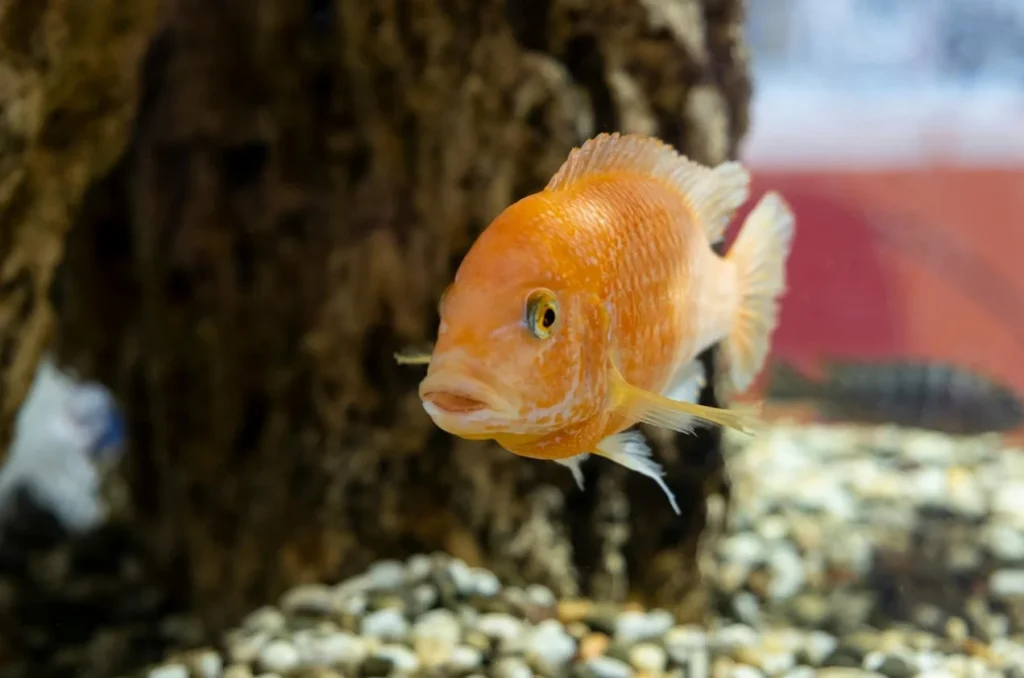
The choice of fish matters enormously in this regard. Species such as the regal blue tang, the flamboyant lionfish, or a community of brilliantly coloured discus fish create a display that people genuinely stop to admire. Invertebrates such as cleaner shrimps and sea urchins add movement and novelty in a marine setting, whilst in a freshwater tank, species like the pearl gourami, the electric blue acara or a group of harlequin rasboras offer colour, activity and visual interest throughout the day.
The Practical Consideration: Rental and Service Contracts
Of course, the prospect of installing and maintaining a high-quality aquarium can seem daunting to those unfamiliar with the hobby. Water chemistry, filtration, lighting schedules, fish compatibility, disease management — the technical demands are real, and the consequences of getting things wrong can be distressing for fish and costly in terms of replacing stock and equipment. This is why many businesses and schools choose to work with specialist aquarium companies, such as Aqualease, that offer a rental and full-service contract arrangement. Under such schemes, the supplier installs and stocks the aquarium, provides all necessary equipment, and makes regular visits to carry out maintenance, water testing and any necessary interventions. For the client, the result is all of the benefit without any of the burden — a thriving, professionally maintained aquarium that requires nothing more than a little admiration from those who pass by it each day.
A Small World with a Large Impact
It is easy to underestimate the cumulative effect of a single, well-placed aquarium. Yet the evidence — both scientific and anecdotal — consistently points in the same direction. People feel calmer in its presence. Children learn more readily when it forms part of their environment. Visitors feel welcomed. Employees feel that their workplace is a place worth being. In a world that often feels relentlessly fast, loud and demanding, the aquarium offers something genuinely rare: a small, contained world of quiet beauty that asks nothing of us except that we pause, for just a moment, and watch.
That, in itself, is no small thing.

Jerry takes a deep dive into the aquatic world. He’s your go-to for setting up the ideal fish tank, with expert advice on water quality and fish care.