If you’re looking for a cat that’s affectionate, athletic, and famously less likely to trigger allergies, the Siberian Cat might be the perfect match. Known for its luxurious triple coat and calm yet playful personality, this breed combines rugged Russian roots with a surprisingly gentle heart. Let’s dive into everything you need to know about this majestic cat — from its temperament and grooming needs to real-life stories that show just how special Siberians truly are.
Content
A Brief History of the Siberian Cat
Originating in Russia, the Siberian Cat is one of the world’s oldest natural breeds. Historical references date back to 1000 AD, when these cats roamed the cold Russian forests and villages as fearless mousers. Their thick waterproof coats and strong build evolved naturally to survive freezing Siberian winters.
By the late 20th century, the breed made its way to Europe and then to the U.S., where it quickly became popular for its striking looks and hypoallergenic reputation. Today, Siberians are celebrated for being both hardy and heart-warming — a true blend of wilderness and warmth.
Appearance: A Coat Built for the Cold
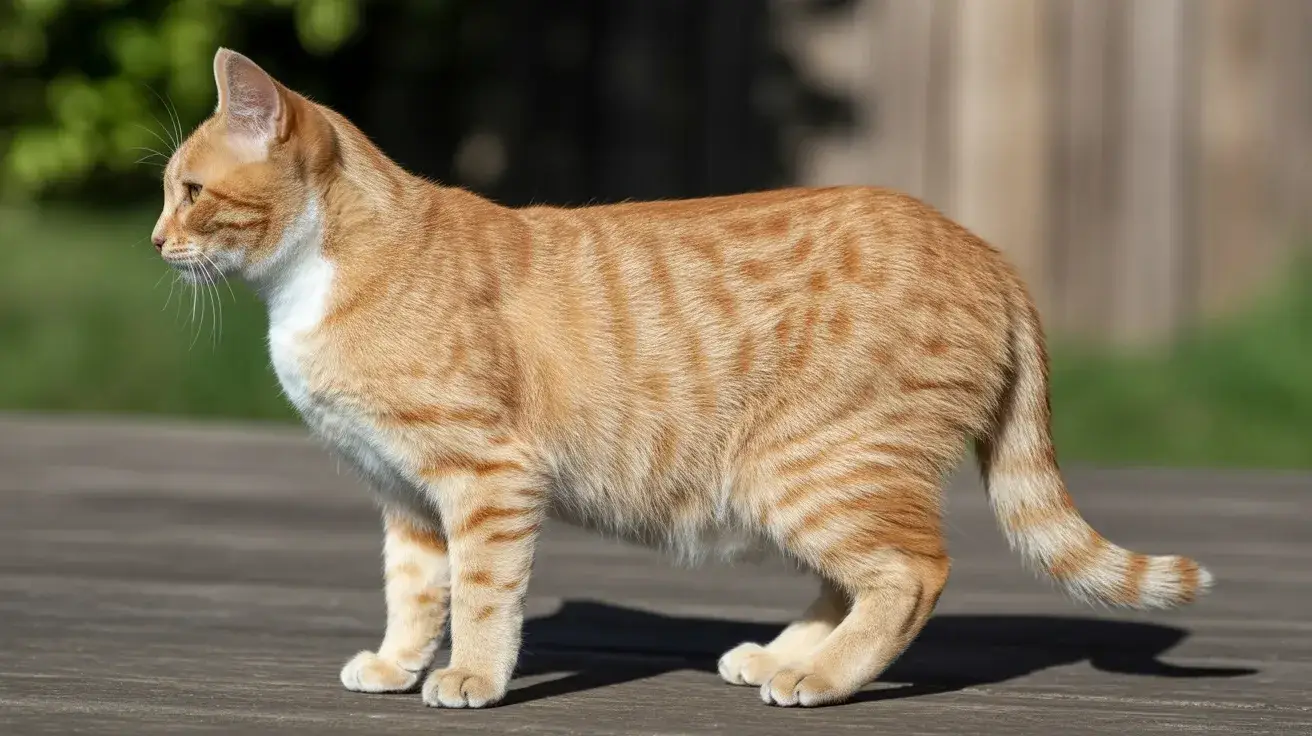
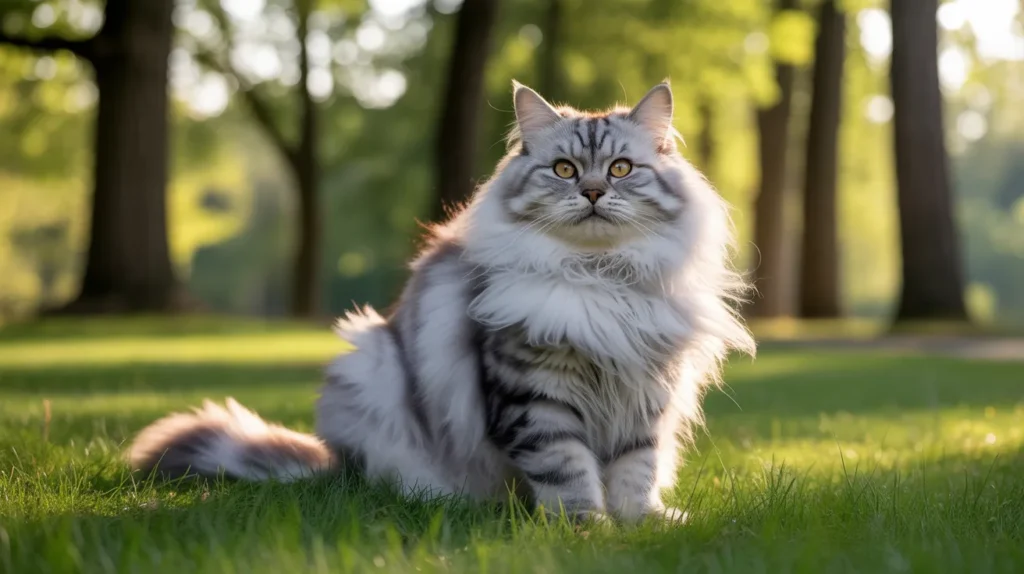
It’s hard to talk about Siberians without admiring their gorgeous coat. These cats boast a triple-layered fur that’s thick, silky, and water-resistant. This dense coat isn’t just for looks — it’s what kept them warm during brutal Siberian winters.
They come in a variety of colors and patterns, from classic brown tabby to Siberian Cat black and white or even shimmering golden shades. Their round faces, tufted ears, and bushy tails give them a distinct, almost fairy-tale charm.
One interesting fact: Siberian-Cats shed seasonally, which means they’ll need more grooming during spring and fall.
Siberian Cat Personality: Gentle Yet Playful
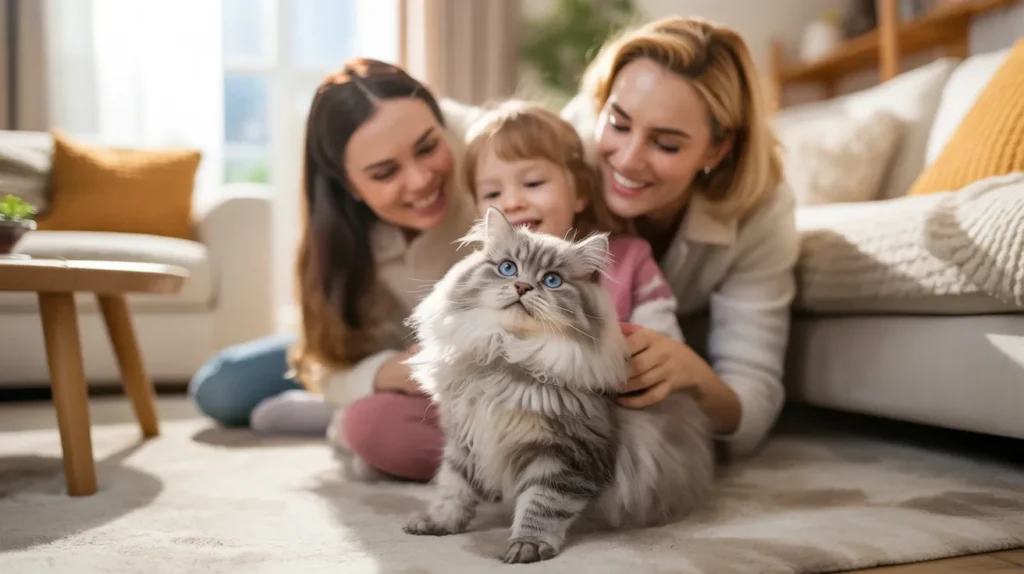
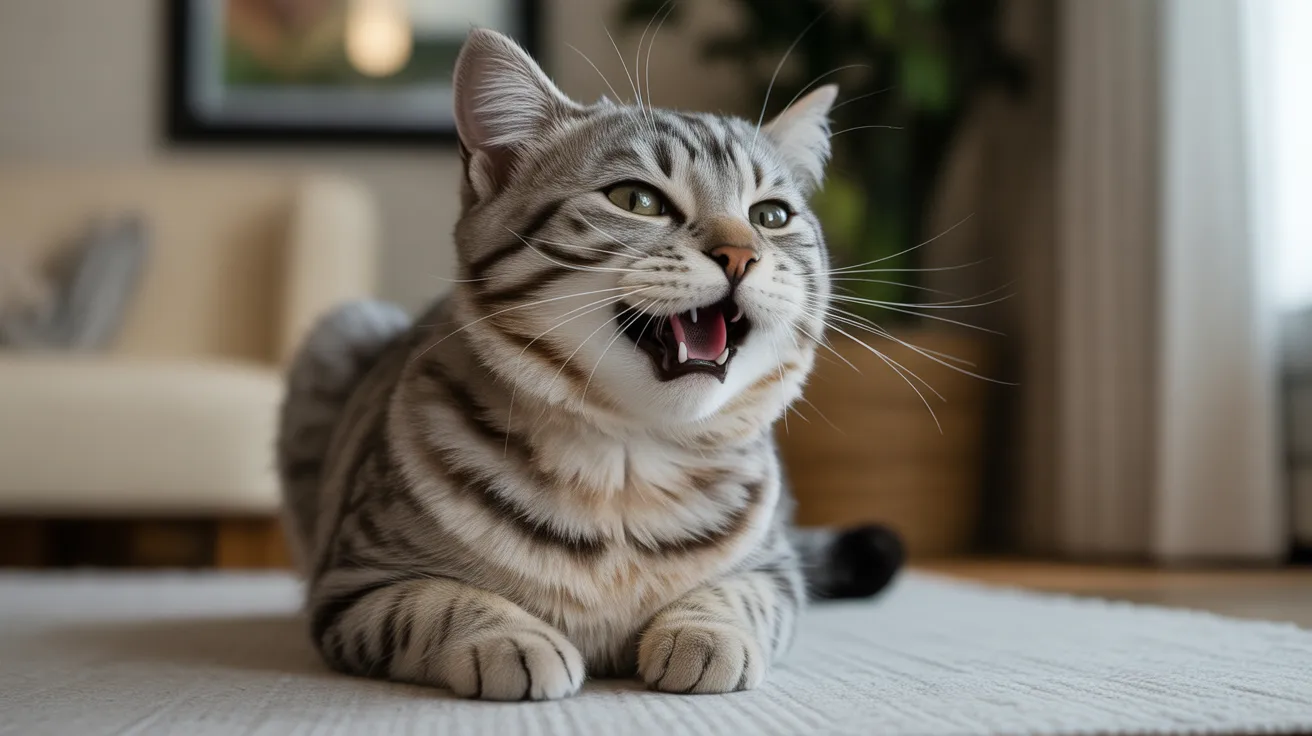
The Siberian Cat personality is one of the reasons this breed wins over so many hearts. Siberians are intelligent, loyal, and deeply affectionate with their families. They often form strong bonds with their owners and love being part of household activities — whether you’re watching TV or working on a laptop, expect your Siberian to be close by.
Despite their majestic appearance, these cats are not aloof. They’re playful and curious, often described as “dog-like” for the way they greet their humans at the door or follow them around the house.
Are Siberian Cats good pets?
Absolutely! Their gentle temperament and patience make them wonderful companions for children and other pets. They’re energetic but not hyperactive — meaning they’ll enjoy a good play session and then happily nap beside you.
Read More About: King German Shepherd
Grooming and Care Tips
Even with their long hair, Siberian Cat grooming is easier than most people expect. Their fur tends to resist matting thanks to its unique texture, but regular brushing (2–3 times a week) keeps it shiny and tangle-free.
How to care for a Siberian Cat:
- Brushing: Use a wide-toothed comb or slicker brush to remove loose hair.
- Bathing: Not often needed, but since their coats are semi-waterproof, use cat-safe shampoo when you do.
- Diet: A balanced diet rich in omega-3s keeps their coat healthy and supports joint strength.
- Play: Siberians love climbing — provide a tall cat tree or safe window perch.
- Vet Care: Routine vet checkups ensure early detection of health issues.
Siberian Cat Lifespan and Health
The Siberian Cat lifespan typically ranges from 12 to 15 years, though many live well into their late teens with proper care. They’re considered a healthy, sturdy breed thanks to their natural evolution, but like all cats, they can be prone to certain genetic conditions.
Common health concerns include:
- Hypertrophic cardiomyopathy (HCM): a common heart condition in many cat breeds.
- Obesity: Siberians love food, so portion control is key.
- Dental issues: Regular brushing or dental treats can help prevent buildup.
A nutritious diet, active lifestyle, and yearly vet visits are the cornerstones of a long, happy Siberian life.
Are Siberian Cats Hypoallergenic?
One of the biggest reasons people seek out this breed is their reputation as hypoallergenic cats. While no cat is completely allergen-free, Siberian-Cats produce less of the Fel d 1 protein — the main allergen responsible for reactions in humans.
Many allergy sufferers report that they can live comfortably with a Siberian. Still, it’s best to spend time around one before adopting to make sure your symptoms stay manageable.
Tip: Regular grooming and using an air purifier can reduce allergens even further.
Do Siberian Cats Get Along with Dogs and Other Pets?
Yes — Siberian-Cats get along with dogs surprisingly well. Their confident yet calm temperament helps them adapt to multi-pet homes. Introductions should be slow and supervised, but once comfortable, Siberians often become friends with dogs and other cats alike.
Their playful energy allows them to match a dog’s enthusiasm without feeling threatened, making them ideal companions for families with mixed pets.
Real-Life Case Study: Nora and “Mishka” the Siberian
When Nora, a graphic designer from Seattle, adopted Mishka, a two-year-old Siberian Cat, she was skeptical. Her mild cat allergy had always kept her from owning one. But after researching hypoallergenic breeds, she decided to give it a try.
Within weeks, she noticed minimal allergic reactions compared to her past experiences with other cats. What surprised her most was Mishka’s personality — affectionate, playful, and startlingly intelligent.
“He plays fetch like a dog,” Nora laughs. “And he even greets me at the door when I come home.”
Her story mirrors many owners’ experiences: Siberian-Cats aren’t just beautiful — they’re emotionally intelligent companions that adapt well to family life, proving that even allergy-prone cat lovers can enjoy feline companionship.
Is a Siberian Cat Right for You?
If you’re looking for a cat that’s friendly, low-allergen, and full of personality, the Siberian might be a perfect fit. They thrive in homes where they can interact, climb, and explore. They love companionship but are also independent enough to handle a few hours alone.
Before adopting, ensure you’re ready for moderate grooming and have time to play — because a bored Siberian will find creative ways to entertain itself (often at your expense!).
Final Thoughts
The Siberian Cat is more than just a pretty face — it’s a breed with centuries of history, a loyal heart, and a personality that fits beautifully into modern homes. Whether you’re drawn by their hypoallergenic reputation or their affectionate nature, owning a Siberian is a rewarding experience that blends elegance, intelligence, and endless love.
Curious about canine diets? Learn more in our detailed guide — Can Dogs Eat Coconut?
FAQs
How much does a Siberian Cat cost?
A purebred typically costs between $1,200 and $2,500, depending on the breeder, lineage, and location.
What is the difference between a Maine Coon and a Siberian Cat?
It has a rounder face and denser coat, while the Maine Coon is larger with a longer, square-shaped muzzle.
Are Siberian Cats good house pets?
Yes, they adapt well to indoor life. They’re affectionate, playful, and enjoy human company, making them great house pets.
Are Siberian Cats cuddly?
Absolutely! They love snuggling with their owners and often show affection through gentle purrs and soft head bumps.

Jerry takes a deep dive into the aquatic world. He’s your go-to for setting up the ideal fish tank, with expert advice on water quality and fish care.