As a cat owner, you may notice your feline friend grooming obsessively or see an unusual oily patch at the base of their tail. These signs could point to a common but often overlooked condition known as stud tail in cats. Understanding this condition is vital for your cat’s health and comfort, and in this guide, we’ll explore everything you need to know—from causes and symptoms to treatments and prevention tips.
Content
What is Stud Tail in Cats?
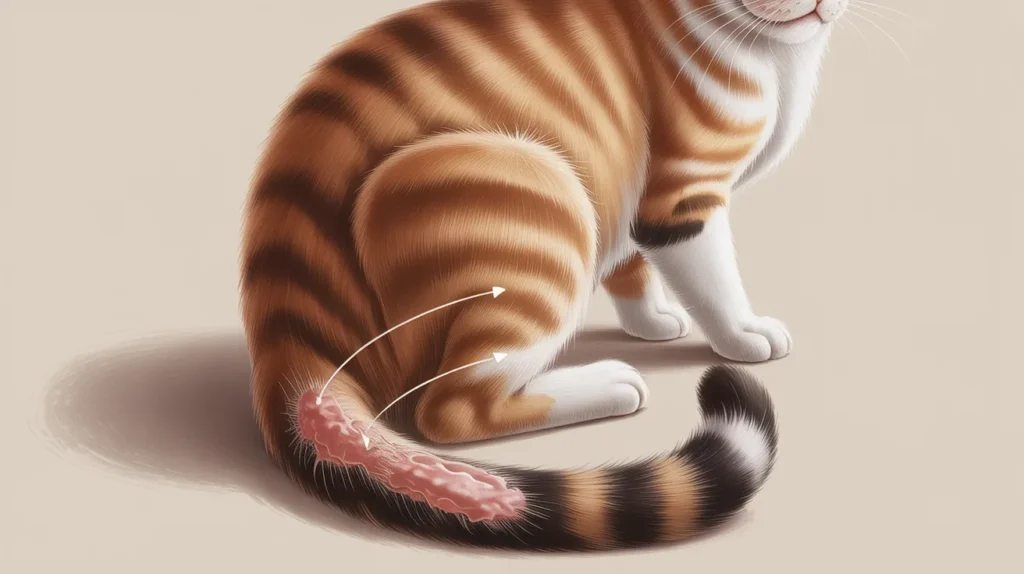
Stud tail is a skin condition that primarily affects male cats, though female cats can occasionally develop it. It occurs when the sebaceous glands at the base of the tail become enlarged and overactive. These glands produce natural oils to keep your cat’s fur healthy, but when overproduction occurs, it leads to an oily tail in cats, hair loss, and sometimes skin infections.
While it may look alarming, stud tail is usually not life-threatening. However, if left untreated, it can cause discomfort and secondary infections that require veterinary attention.
Causes of Stud Tail in Cats
Understanding what causes Stud Tail In Cats is crucial to managing the condition effectively. The primary causes include:
Hormonal imbalances: Male cats, especially unneutered ones, are prone to overactive sebaceous glands due to testosterone.
Poor grooming habits: Some cats may not groom themselves adequately, leading to oil buildup at the tail base.
Genetic predisposition: Certain breeds like Persians and Maine Coons may have a higher risk of developing stud tail.
Age: Middle-aged cats are more susceptible, though it can appear in younger or older cats.
Underlying health issues: Skin disorders or infections can exacerbate sebaceous gland overactivity.
Symptoms to Watch For
Recognizing the symptoms of stud tail in cats early can help prevent complications. Typical signs include:
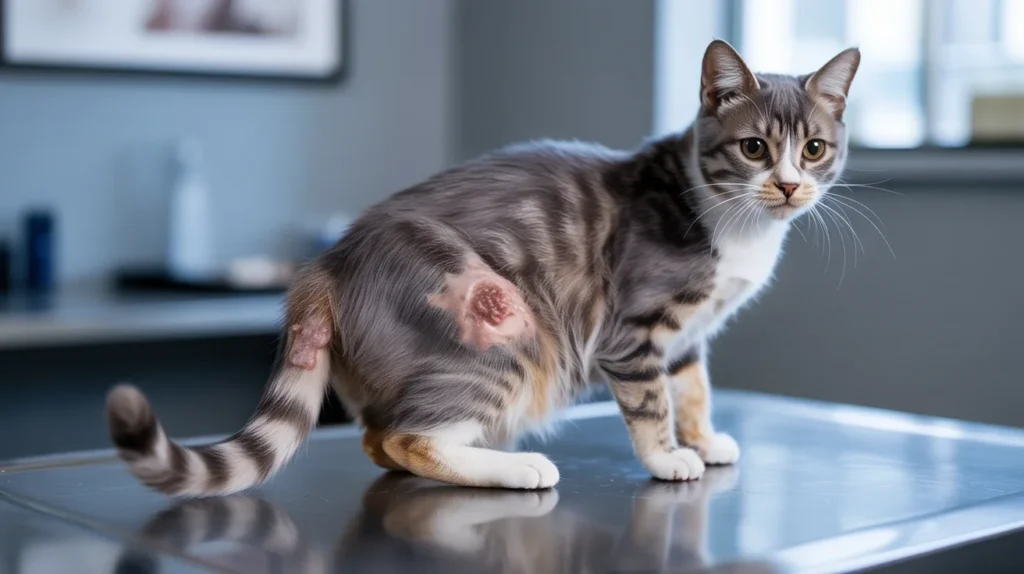
Oily, greasy patch at the base of the tail
Hair thinning or bald spots around the tail base
Redness or inflammation of the skin
Foul odor due to bacterial overgrowth
Excessive scratching or grooming of the affected area
If your cat exhibits any of these symptoms, it’s important to monitor them closely and consider consulting your veterinarian.
Real-Life Case Study: Whiskers’ Experience
Let me share a real-life example from my own experience as a pet blogger and cat enthusiast.
Whiskers, a 4-year-old neutered male domestic shorthair, developed a small greasy patch at the base of his tail. Initially, I thought it was dirt from his outdoor adventures. However, over a few weeks, the patch grew, and he began scratching it constantly. After consulting our vet, it was diagnosed as stud tail.
The treatment involved a combination of gentle cleansing with a medicated shampoo and regular monitoring to prevent bacterial infections. Within two weeks, the oily patch reduced significantly, and Whiskers returned to his usual playful self. This case highlights that early detection and proper care can quickly resolve stud tail issues.
Diagnosis is typically straightforward and conducted by a veterinarian. Here’s what you can expect:
Physical examination: The vet will inspect the tail base for oily patches, redness, and hair loss.
Skin tests: In cases of secondary infections, skin scrapings or bacterial cultures may be performed.
Medical history: The vet will ask about your cat’s grooming habits, age, and overall health to determine potential underlying causes.
It’s important to note that while the condition is more common in male cats, female cats exhibiting similar symptoms should also be evaluated for other skin disorders.
Treatment Options
Fortunately, stud tail is manageable, and treatment can be done both at home and under veterinary supervision.
Home Remedies
Regular grooming: Brushing the tail to remove excess oil and debris helps prevent worsening.
Medicated shampoos: Use cat-safe shampoos recommended by your vet to reduce oil buildup.
Dietary support: High-quality, omega-3 rich diets can improve skin health.
Veterinary Care
Topical treatments: Antibacterial or antifungal creams may be prescribed for secondary infections.
Oral medications: In severe cases, antibiotics or anti-inflammatory medications may be required.
Neutering: If the cat is unneutered, neutering can reduce hormone-related oil overproduction.
A combination of home care and veterinary intervention often leads to the best outcomes.
Prevention Tips
Preventing stud tail involves maintaining good feline skin hygiene and monitoring your cat’s overall health:
Regular grooming: Brush your cat at least a few times per week.
Balanced diet: Proper nutrition supports healthy skin and fur.
Routine vet check-ups: Regular check-ups help detect early signs of stud tail or other skin conditions.
Neutering male cats: Reduces hormone-driven sebaceous gland overactivity.
Implementing these preventive measures can significantly reduce the likelihood of recurrence.
Conclusion
Stud tail in cats is a common yet manageable condition. By understanding its causes, recognizing the symptoms early, and combining home care with veterinary guidance, you can keep your cat comfortable and healthy.
Remember Whiskers’ case: early detection and a consistent care routine made all the difference. With the right approach, oily tail in cats, hair loss, and skin irritation can be effectively controlled, giving your furry friend a happy and playful life.
For more information on keeping your feline healthy, check out our guide on Cold Symptoms in Cats.
FAQs
How do you treat a stud tail on a cat?
Gently clean the tail with medicated shampoo and follow vet advice for infections or severe cases.
How to remove cat stud tail?
Stud tail itself isn’t removed, but regular grooming and vet care reduce oil buildup and hair loss.
Is stud tail in cats serious?
Usually mild, but untreated cases can cause discomfort or secondary infections.
What does a stud tail look like?
An oily, greasy patch at the base of the tail with thinning hair and possible redness.