If you’ve ever witnessed your cat suddenly start snorting, gagging, or making loud honking noises, it might have left you worried and confused. This unusual behavior is often referred to as reverse sneezing in cats, and while it can look alarming, it’s usually harmless. As a pet expert who has cared for dozens of cats over the years, I understand how stressful it can be to see your feline friend struggling to breathe temporarily. In this article, we’ll explore what reverse sneezing is, the common causes, symptoms, treatment options, and preventive measures, along with a real-life case study to give you a practical perspective.
Content
What is Reverse Sneezing in Cats?
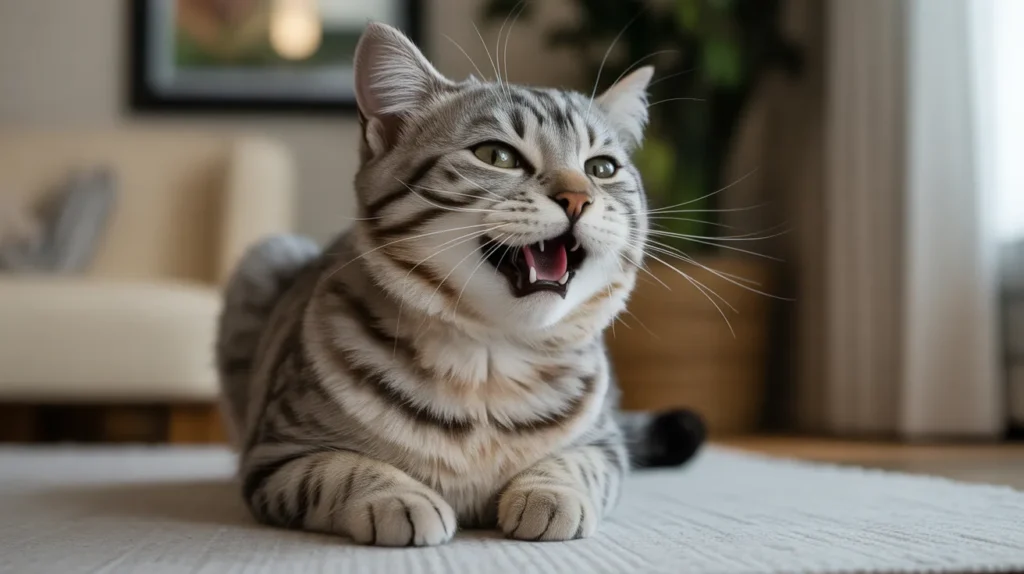
Reverse sneezing is a sudden, involuntary inhalation through the nose that causes a cat to make a snorting, honking, or gagging sound. Unlike regular sneezing, where air is expelled from the nose, reverse sneezing involves rapid inhalation. Most cat owners notice it as brief episodes that last from a few seconds to a minute, during which the cat may extend its neck and seem slightly panicked.
While reverse sneezing is generally harmless, it can sometimes signal underlying feline respiratory issues. Understanding the triggers and symptoms helps you distinguish between a benign episode and a condition that requires veterinary attention.
Common Causes of Reverse Sneezing in Cats
There are several reasons why a cat may experience reverse sneezing. Recognizing these can help you manage episodes and prevent frequent occurrences.
Allergies and Irritants
One of the most common triggers is exposure to allergens or irritants. Cats are sensitive to pollen, dust, cigarette smoke, strong perfumes, or even certain cleaning products. When these irritants affect the nasal passages, it can lead to cat reverse sneezing causes that appear sudden and alarming.
Pro tip: If your cat sneezes frequently after being in certain areas of the house, consider air purifiers or limiting access to high-dust zones.
Upper Respiratory Infections
Upper respiratory infections, commonly caused by viruses like feline herpesvirus or calicivirus, can lead to nasal congestion and irritation. While infection-induced reverse sneezing is less common than in dogs, it is still possible and often accompanied by additional symptoms such as nasal discharge, watery eyes, or mild lethargy.
Excitement or Stress
Sometimes, reverse sneezing episodes are triggered by excitement, play, or stress. Cats may experience brief spasms of the throat and soft palate during sudden bursts of activity. While this is usually harmless, frequent episodes may indicate sensitivity in the upper airway.
Symptoms to Watch For
Knowing the signs of reverse sneezing can help you determine when an episode is normal and when it warrants a vet visit.
Typical Signs
Sudden, repeated snorting or honking noises
Rapid inhalation of air through the nose
Extended neck or head tilt during episodes
Temporary gagging or retching
When It Might Be Serious
While most cases are harmless, seek veterinary attention if you notice:
Persistent coughing or wheezing
Blood in nasal discharge
Difficulty breathing or prolonged episodes
Lethargy, loss of appetite, or other illness signs
Most episodes of reverse sneezing resolve on their own, but there are steps you can take to help your cat recover quickly.
At-Home Remedies
Gentle Massage: Lightly massaging your cat’s throat can help stop the spasm.
Encourage Swallowing: Offering a few drops of water or a small treat may help clear nasal irritation.
Minimize Allergens: Reduce exposure to dust, pollen, and strong scents.
When to See a Vet
If episodes become frequent or severe, your veterinarian may recommend:
Allergy testing
Nasal endoscopy
Medications like antihistamines or corticosteroids for inflammation
Preventing Reverse Sneezing Episodes
Preventing reverse sneezing is often about creating a clean, low-irritant environment for your cat.
Environmental Tips
Keep your home dust-free with regular cleaning
Avoid smoking indoors and limit exposure to perfumes
Use high-quality, low-dust cat litter
Health and Diet Considerations
Maintain regular vet check-ups
Ensure a balanced diet to support immune function
Monitor for allergies and food sensitivities
Real-Life Case Study: Bella the Cat
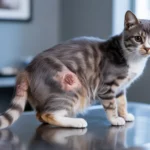
Bella, a 4-year-old tabby, started having sudden snorting episodes that worried her owner. The sounds were loud enough to make them think she was choking. After observing Bella, the owner noticed the episodes often occurred after playtime in the living room with scented candles and dust accumulation in the carpet.
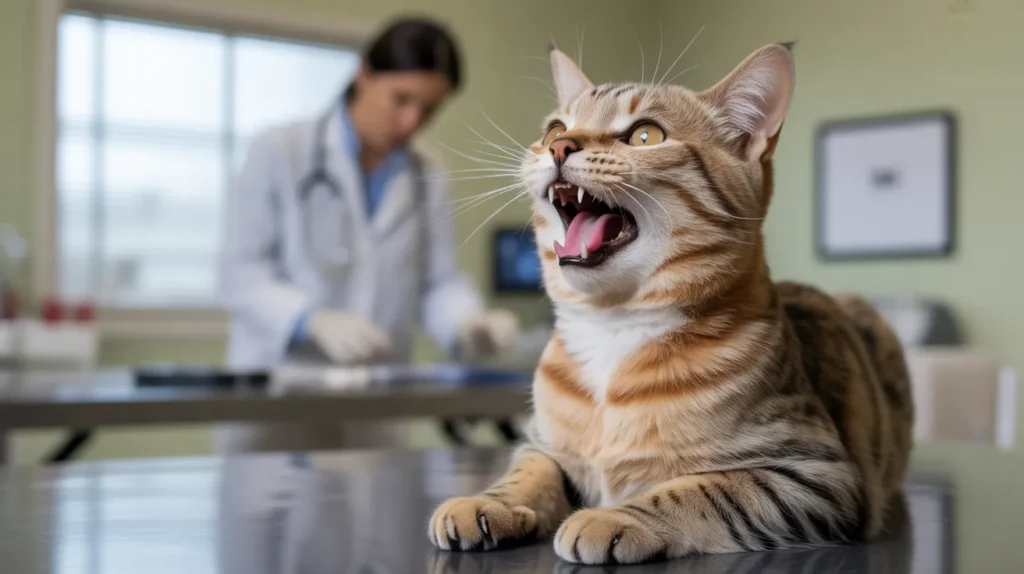
Upon visiting the vet, Bella was diagnosed with mild allergic reactions and occasional reverse sneezing triggered by environmental irritants. With simple changes like removing scented candles, vacuuming regularly, and adding a small air purifier, Bella’s reverse sneezing episodes decreased significantly. Her case highlights how environmental triggers are a common cause and how simple interventions can make a big difference.
Conclusion: Reverse Sneezing in Cats
Reverse sneezing in cats may look alarming, but it’s usually a benign condition. By understanding the causes, symptoms, and treatment options, cat owners can respond calmly and take preventive measures to reduce episodes. Remember, if your cat shows signs of distress, difficulty breathing, or persistent reverse sneezing, a veterinary consultation is essential.
By monitoring your cat and maintaining a clean, allergen-free environment, you can help ensure your feline friend remains healthy, happy, and free from unnecessary respiratory irritation.
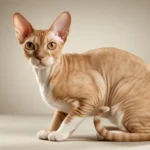
“Learn more about the playful and affectionate Devon Rex Cat and its unique traits.”
FAQs
How do you treat reverse sneezing in cats?
Gentle throat massage and reducing allergens can help. Consult a vet for frequent or severe episodes.
When should I worry about reverse sneezing?
Seek vet care if your cat has prolonged episodes, trouble breathing, or shows other illness signs.
What can be mistaken for reverse sneezing?
Sneezing fits, gagging, or coughing may look similar. Observe patterns to identify true reverse sneezing.
How to tell the difference between reverse sneezing and collapsed trachea?
Reverse sneezing is brief; collapsed trachea causes persistent coughing or wheezing. Vet diagnosis is key.