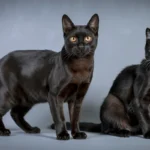
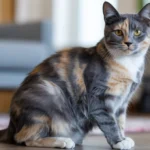
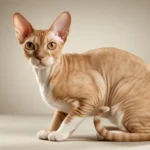
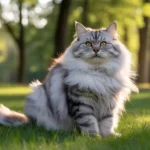
If you’ve ever noticed a loose flap of skin hanging along your cat’s belly, you might have wondered, “Is my cat overweight, or is this something else?” For many cat owners, this belly flap is a fascinating and sometimes puzzling feature called the primordial pouch. As a pet expert and long-time cat enthusiast, I’ve observed and studied this trait across many breeds, and today I’ll guide you through what it is, why it exists, and how to care for cats that have it.
Content
What Is a Primordial Pouch?
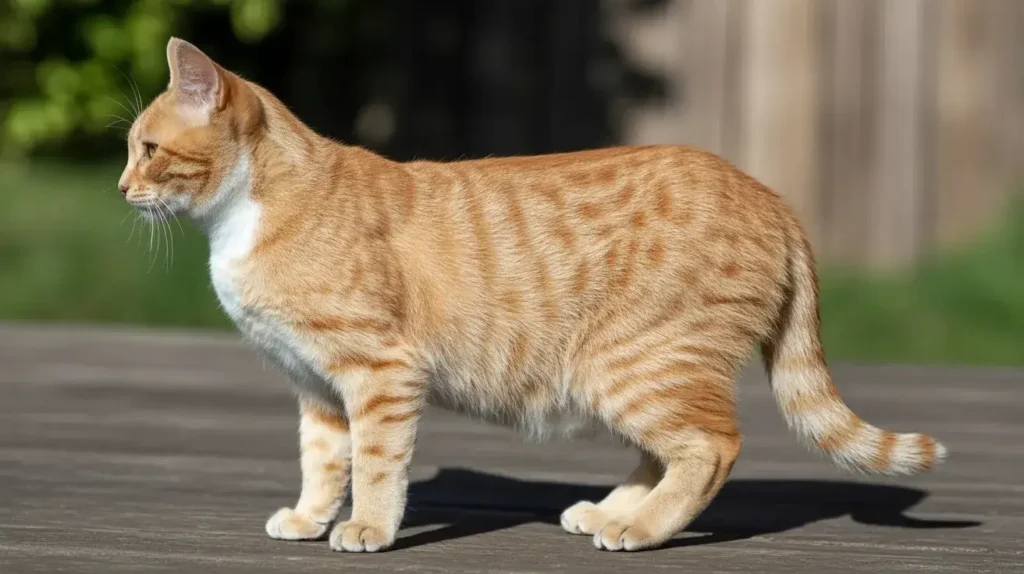
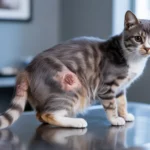
The primordial pouch is a natural flap of skin and fat located along the lower belly of a cat, extending from the hind legs toward the stomach. Unlike excess weight, this pouch is not necessarily a sign of obesity. It is more common in certain breeds, but almost any cat can have it.
Veterinarians often describe the primordial pouch as a protective and flexible layer that serves multiple purposes. While it may appear as a “hanging belly,” it’s actually an important anatomical feature that helps cats in various ways.
Why Do Cats Have a Primordial Pouch?
Cat owners often ask, “Why do cats have a primordial pouch?” There are several interesting theories:
Protection during play or fights The pouch provides extra padding around the vital organs, especially when cats engage in rough play or defend themselves. It acts like a shield during jumps, tumbles, or even accidental scratches during fights with other cats.
Flexibility and movement Cats are natural hunters, and a flexible belly allows them to stretch fully while running or pouncing. The pouch enables increased mobility without restricting movement.
Storage of fat reserves Some researchers suggest the pouch may function as an energy reserve, especially for cats that used to roam outdoors and needed extra nutrition during periods of scarcity.
Real-Life Case Study: Luna, the Domestic Shorthair
Luna, a 5-year-old Domestic Shorthair, was brought to my attention by her owner, who was worried her cat might be overweight. Upon examination, Luna had a prominent belly flap, but her body weight and overall health were perfect. Her owner shared that Luna loved climbing and running around the house, and the pouch seemed to move and stretch naturally as she played.
This is a classic example of a primordial pouch cat — healthy, active, and perfectly normal despite the “hanging belly.” Luna’s case highlights why it’s important not to mistake the primordial pouch for obesity.
Breeds That Tend to Have a Primordial Pouch
While almost any cat can have a belly flap, certain breeds are more prone:
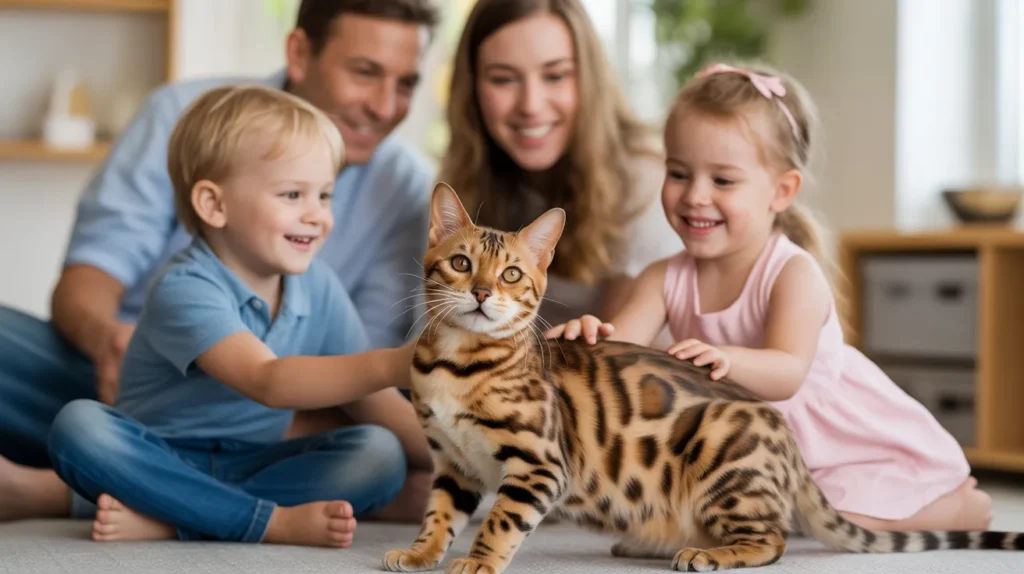
Bengal Cats – athletic and muscular, with noticeable pouches that expand during movement.
Siamese and Lynx Point Siamese Cats – lean but flexible, often showing a subtle belly flap.
Ragdolls – known for their floppy nature, which often accentuates the pouch.
Recognizing this helps cat owners avoid unnecessary worry and understand that this feature is natural and healthy.
Primordial Pouch vs. Obesity: How to Tell the Difference
One of the most common questions I get is, “How do I know if my cat is overweight or has a primordial pouch?” Here’s a simple guide:
Location: The pouch hangs along the lower belly, while fat from obesity tends to accumulate evenly around the waist and sides.
Texture: Primordial pouches are soft, flexible, and move with your cat. Excess fat feels denser and may restrict movement.
Behavior: Cats with primordial pouches maintain agility, run, jump, and play without difficulty. Overweight cats may show signs of fatigue or struggle to move comfortably.
Using these indicators can help you confidently identify a primordial pouch cat versus an overweight cat.
Regular exercise – interactive play encourages agility and keeps weight in check.
Routine vet checkups – monitor health and ensure the belly flap isn’t hiding other issues.
Grooming – some cats may need brushing around the belly to prevent matting, especially long-haired breeds.
By following these tips, you’ll ensure your cat stays healthy while proudly showing off their unique belly flap.
Common Misconceptions About the Primordial Pouch
Misconception 1: It’s a sign of laziness or inactivity – Many active cats have primordial pouches.
Misconception 2: Only older cats develop it – Kittens can show early signs; it grows with maturity.
Misconception 3: It indicates illness – In healthy cats, it is entirely normal. Consult your vet if you notice swelling, redness, or discomfort.
Conclusion: Primordial Pouch Cat
The primordial pouch cat is a fascinating example of nature’s design, providing protection, flexibility, and a little bit of mystery. Understanding this belly flap can help cat owners feel confident that their pets are healthy and normal, even with a “hanging belly.”
By observing your cat’s behavior, maintaining a balanced diet, and monitoring overall health, you can enjoy watching them thrive — pouch and all. Just like Luna, your feline friend may be one of the proud, agile, and happy primordial pouch cats in the world.
Here’s a natural internal link line using your keyword:
Learn how to recognize and manage Reverse Sneezing In Cats to keep your feline healthy and comfortable.
FAQs
Do all cats have a primordial pouch?
Not all cats have a visible primordial pouch. Its size and presence vary by breed and individual genetics, but it is perfectly normal for healthy cats.
Can primordial pouches cause health problems?
In most cases, a primordial pouch cat is healthy. Health issues only arise if the pouch results from obesity, injury, or underlying medical conditions.
How do I care for my cat’s primordial pouch naturally?
To care for a primordial pouch cat, provide a balanced diet, regular play for exercise, and grooming for long-haired cats to keep the belly clean.
Why do some cats have larger belly pouches than others?
The size of a primordial pouch cat varies due to genetics, breed, age, and activity level. Active cats may display a more pronounced pouch naturally.