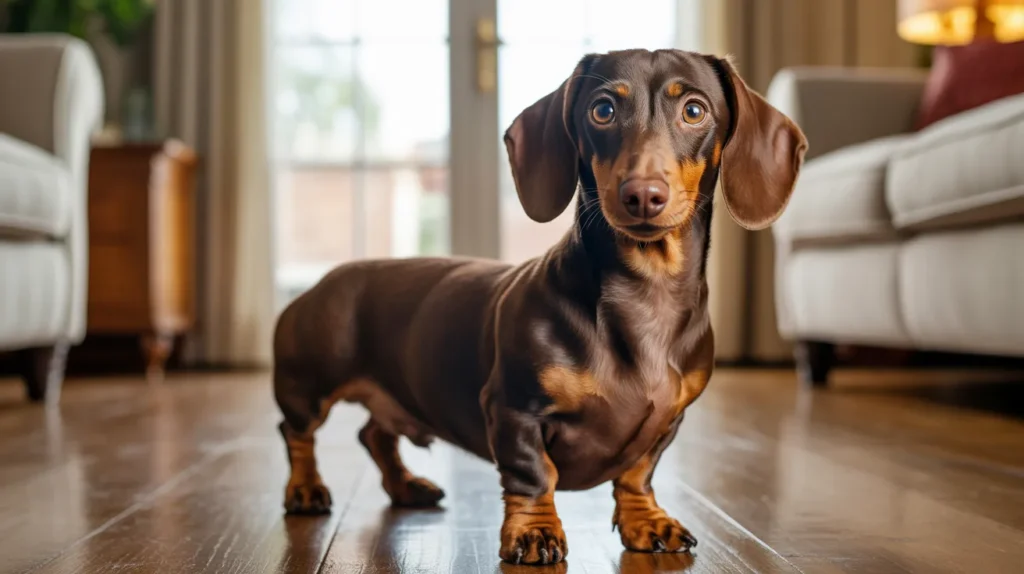
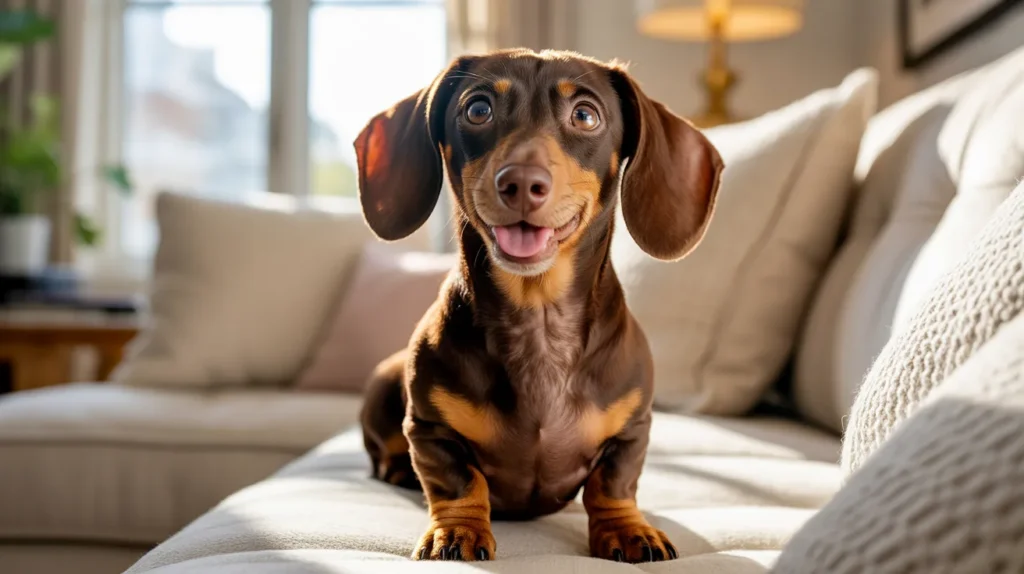
Miniature Dachshunds are small dogs with big personalities. Recognized for their long bodies, short legs, and expressive eyes, they capture the hearts of dog lovers everywhere. While their appearance is undeniably charming, there’s more to these little dogs than meets the eye. Whether you’re thinking about adopting one or already have a furry companion, understanding their temperament, health needs, grooming, and daily care is essential. This guide will help you provide the best life for your Miniature Dachshund.
Content
Understanding the Mini Dachshund Breed
A Miniature Dachshund is the smaller version of the standard Dachshund, usually weighing under 11 pounds and standing about 5–6 inches tall. Despite their size, they share the same muscular build, curiosity, and spunk as larger Dachshunds.
Mini vs. Toy Dachshund
Many people wonder if Toy or Teacup Dachshunds are the same as Minis. Toy Dachshunds are smaller than Miniature Dachshunds and are not officially recognized. They often come with higher health risks, whereas a healthy Miniature Dachshund breed is more likely to have a stable temperament and robust health.
Physical Traits and Lifespan
Miniature Dachshunds have three primary coat types: smooth, long-haired, and wire-haired.
Smooth coat: Short and easy to maintain.
Long-haired: Silky fur that requires regular brushing.
Wire-haired: Coarse, dense fur that needs trimming and occasional hand-stripping.
With proper care, these little dogs can live 12–16 years, making them a long-term companion for families and individuals alike.
Personality and Behavior
Despite their small size, these dogs are known for being brave, intelligent, and sometimes stubborn.
Temperament: Mini Dachshunds are playful, affectionate, and protective. They often act like “big dogs in small bodies,” showing loyalty and determination.
Socialization: Early exposure to people, other dogs, and new environments helps them grow confident.
Training: Following training tips for beginners—using positive reinforcement, consistency, and short sessions—yields the best results. Treats, praise, and engaging games motivate them more than harsh corrections.
Health Considerations and Daily Care
Miniature Dachshunds have specific health concerns:
Back problems: Their elongated spine makes them prone to intervertebral disc disease (IVDD). Avoid letting them jump from heights and provide ramps for furniture.
Weight management: Keeping them at a healthy weight reduces stress on their back and joints.
Dental care: Regular brushing and dental chews prevent oral issues common in small breeds.
Caring for a Miniature Dachshund means regular veterinary visits, balanced nutrition, mental stimulation, and controlled exercise. These measures keep your dog healthy and happy.
Grooming Tips for Different Coat Types
The grooming needs vary depending on coat type:
Smooth coat: Weekly brushing removes loose hairs.
Long-haired: Daily brushing prevents tangles and mats.
Wire-haired: Regular trimming and occasional hand-stripping maintain coat texture.
Other grooming essentials include cleaning ears weekly, trimming nails, and bathing when necessary. Proper grooming ensures your dog stays comfortable and healthy.
Despite their small size, Mini Dachshunds are active dogs that need daily physical activity. Walks, supervised outdoor play, and interactive toys keep them engaged. Puzzle games, scent work, and training exercises help satisfy their sharp minds. Without mental stimulation, they may become bored and develop unwanted behaviors.
Real-Life Case Study: Max the Mini Dachshund
Max, a two-year-old Miniature Dachshund, was adopted by Sarah, a first-time dog owner. Initially shy and cautious, Max became confident through consistent training and socialization. Sarah followed Miniature Dachshund training tips for beginners, using short sessions, positive reinforcement, and gradual exposure to new experiences.
Now, Max enjoys swimming, puzzle toys, and daily walks. Regular veterinary check-ups and a balanced diet have kept him at a healthy weight, preventing back or joint issues. Sarah credits understanding his temperament and care needs for Max’s thriving health and their strong bond.
Fun Activities for Miniature Dachshunds
These little dogs enjoy a variety of activities:
Agility or obstacle courses (with low jumps)
Scent-based games and tracking activities
Interactive play with toys or puzzle feeders
Short, controlled walks and outdoor exploration
Providing both physical and mental challenges keeps your Miniature Dachshund happy and well-adjusted.
Conclusion
Miniature Dachshunds are lively, affectionate, and devoted companions. By understanding their personality, health requirements, and grooming needs, you can provide a fulfilling life for your little friend. From interactive play and training to regular vet visits and proper nutrition, a Miniature Dachshund thrives when given care tailored to their unique needs.
With attention, patience, and love, these small dogs reward their owners with loyalty, fun, and endless companionship. Following practical advice and learning from real-life experiences, like Max’s, ensures your Miniature Dachshund remains happy, healthy, and a cherished part of your family.
Looking for other compact companions? Check out our guide to the Best Small Dog Breeds for families and apartment living.
FAQs
Are mini Dachshunds good pets?
Mini Dachshunds make loyal, affectionate, and playful pets for families and individuals.
What are the cons of a Miniature Dachshund?
They can be stubborn, prone to back issues, and may need early socialization to avoid behavioral problems.
What were mini Dachshunds bred for?
Miniature Dachshunds were bred for hunting small animals like rabbits, using their small size and keen nose.
Do miniature Dachshunds shed?
Yes, shedding varies by coat type—smooth coats shed lightly, long-haired and wire-haired types need more grooming.