The Mini Australian Shepherd, often affectionately called a Mini Aussie, is a small but lively herding dog that has captured the hearts of dog lovers worldwide. Known for their intelligence, agility, and friendly nature, these dogs are perfect for families, active singles, and anyone looking for a loyal companion. In this article, we’ll explore everything you need to know about the Mini Australian Shepherd, from personality traits to care, training, and real-life experiences.
Content
Overview of the Mini Australian Shepherd
The Mini Australian Shepherd is a smaller version of the traditional Australian Shepherd, bred to maintain the same intelligence and energy but in a more compact size. Unlike some small breeds, Mini Aussies are highly active and thrive on mental stimulation as well as physical activity.
Size & Weight: Typically 13–18 inches tall and 20–40 pounds.
Life Expectancy: 12–15 years with proper care.
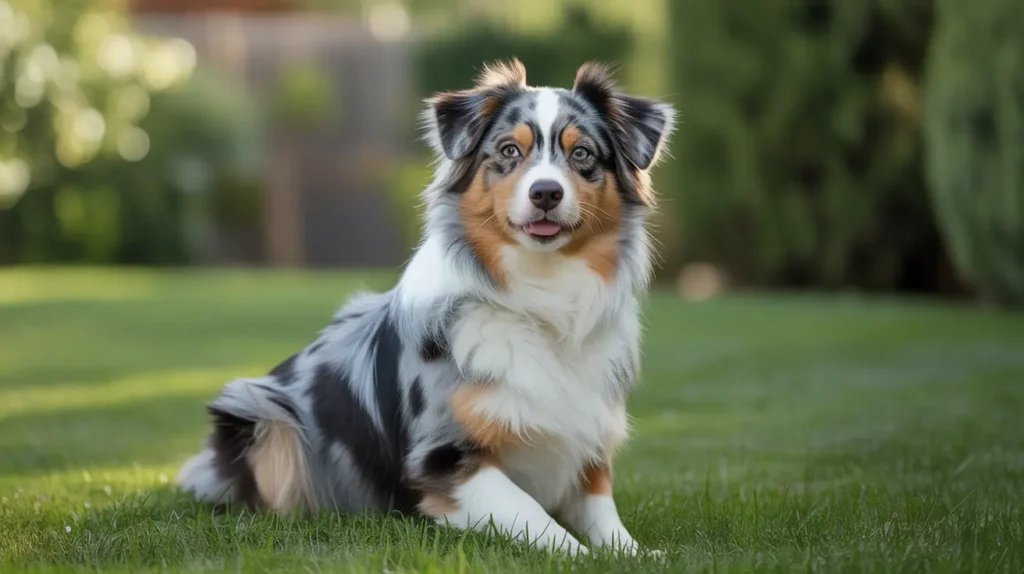
Common Colors: Blue merle, red merle, black, and tri-color variations.
Mini Aussies are often mistaken for standard Australian Shepherds in mini form, but they retain the same herding instincts and alertness. They are ideal for households that can provide daily exercise and mental enrichment.
Care and Maintenance for Mini Australian Shepherds
Taking care of a Mini Australian Shepherd is not just about feeding them and giving affection—they need a structured care routine.
Grooming Requirements
Mini Aussies have medium-length double coats that shed moderately.
Brush 2–3 times per week to prevent mats and reduce shedding.
Occasional baths help keep their coat clean without stripping natural oils.
Diet and Nutrition
Feed high-quality dog food with the right protein and fat content.
Portion control is important, as Mini Aussies can gain weight if under-exercised.
Incorporate treats during training but avoid overfeeding.
Health & Lifespan
Average lifespan: 12–15 years.
Common health concerns include hip dysplasia, eye disorders, and epilepsy.
Regular vet checkups are essential for long-term health.
Mini Australian Shepherd Personality and Temperament
One of the reasons the Mini Aussie dog breed is so beloved is its personality. These dogs are intelligent, loyal, and highly trainable, making them perfect for families, singles, and seniors alike.
Friendly & Social: Mini Aussies love interacting with humans and other pets. They often bond closely with one person but enjoy being part of the whole family.
Energetic & Agile: Herding instincts make them highly active. They need regular walks, playtime, and even dog sports like agility courses.
Intelligent & Trainable: These dogs respond well to positive reinforcement. Commands, tricks, and structured training sessions work wonders.
Pro Tip: Early socialization is key. Exposing a Mini Aussie puppy to various people, pets, and environments ensures a well-rounded adult dog.
Exercise and Activity Needs
A Mini Australian Shepherd puppy or adult dog requires daily exercise and mental challenges. Without sufficient activity, they may develop behavioral issues such as excessive barking or chewing.
Daily Walks: 30–60 minutes per day.
Playtime: Fetch, tug-of-war, and agility games.
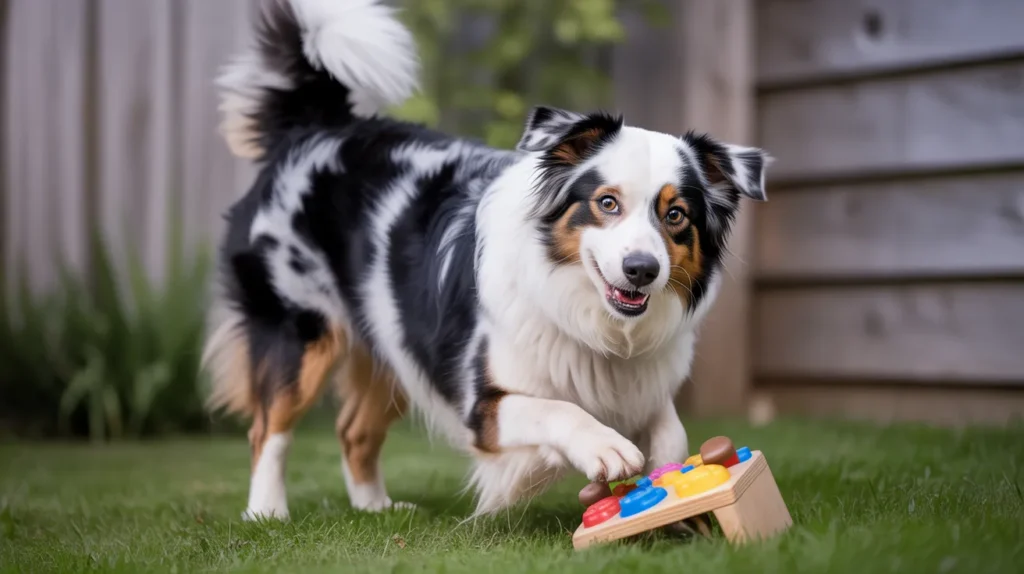
Mental Stimulation: Puzzle toys, obedience training, and herding games.
Mini Aussies thrive in homes where owners are active or engage them in dog sports. Even a small backyard can be enough if paired with daily walks and interactive play.
Mini Aussies come in various striking colors and patterns, which are not only beautiful but can give insight into their lineage:
Blue Merle: Grey coat with black patches, often with blue or brown eyes.
Red Merle: Reddish-brown coat with lighter or darker markings.
Black & White: Classic combination, sometimes with tan points.
Tri-Color: Black, white, and tan markings in distinctive patterns.
Knowing the colors and markings can help identify the puppy’s lineage and predict adult appearance.
Real-Life Case Study: A Day with Bella, a Mini Australian Shepherd
Bella, a three-year-old Mini Aussie, lives with the Martinez family in California. From morning walks to evening training sessions, Bella’s day demonstrates the breed’s energy, intelligence, and loyalty.
Morning: Bella starts her day with a 40-minute jog with her owner.
Afternoon: Puzzle toys keep her mentally stimulated while the family works from home.
Evening: Training and socialization with neighborhood dogs reinforce good behavior.
Bella’s owners emphasize that consistency and engagement are critical. “Mini Aussies are not just pets—they are family members who thrive when included in daily routines,” says Mrs. Martinez.
This case study highlights the importance of providing exercise, training, and affection for Mini Aussies to maintain a happy and healthy life.
Training Your Mini Australian Shepherd
Training is where the breed truly shines. Mini Australian Shepherds are eager learners but can be stubborn if not consistently guided.
Use positive reinforcement techniques with treats and praise.
Start puppy socialization early to prevent behavioral issues.
Introduce tasks that challenge their intelligence—herding simulations, agility, or scent games.
Keep training sessions short but frequent to hold their attention.
Long-Term Tip: Continuous mental stimulation prevents boredom, a common cause of destructive behaviors in this breed.
Are Mini Australian Shepherds Good With Kids?
Yes! Mini Aussies are known for their friendly, social temperament, making them great companions for children.
Supervise interactions initially to ensure safe play.
Teach kids how to approach and play respectfully.
A well-exercised Mini Aussie is calm and playful, reducing accidental nips or jumps.
Including children in daily routines also strengthens bonds and helps the dog feel part of the family.
Conclusion
The Mini Australian Shepherd is an energetic, intelligent, and loving companion that thrives in active homes. With proper care, training, and mental stimulation, these dogs can become loyal family members and lifelong friends.
By understanding their temperament, care requirements, exercise needs, and health considerations, prospective owners can ensure a happy, fulfilling life for their Mini Aussie. Whether you’re considering adding a Mini Aussie to your family or already own one like Bella, embracing the breed’s energy and intelligence is the key to a rewarding relationship.
“If you love friendly pets, check out our guide to the Friendliest Cat Breeds for families and first-time cat owners.”
FAQs
Are Mini Aussies good house dogs?
Yes, Mini Australian Shepherds adapt well to homes if given daily exercise and mental stimulation.
What are the cons of a Mini Australian Shepherd?
They can be energetic, vocal, and need lots of mental challenges, which may not suit all households.
Do Mini Aussies bark a lot?
Mini Australian Shepherds can be vocal, especially when bored or guarding, but training reduces excessive barking.
Do Mini Aussie shepherds shed a lot?
Mini Aussies shed moderately year-round. Regular brushing keeps coats healthy and minimizes loose hair.