As a long-time cat owner and pet health blogger, I know how worrying it can be when your usually playful cat starts sneezing or seems unusually quiet. The first time this happened to my own cat, Luna, I assumed it was just a bad day. Within two days, I realized I was dealing with cold symptoms in cats—and that experience taught me how important early awareness really is.
In this guide, I’ll walk you through everything you need to know about cat cold symptoms, what causes them, how to tell if they’re mild or serious, and when it’s time to involve a veterinarian. The goal is simple: help you feel confident and informed if your cat ever catches a cold.
Content
What Are Cold Symptoms in Cats?
Cold symptoms in cats usually refer to signs of an upper respiratory infection in cats. These infections are very common, especially in kittens, senior cats, or cats that live in multi-cat households or shelters.
Unlike humans, cats don’t catch colds from chilly weather alone. Most feline colds are caused by viruses that affect the nose, throat, and sinuses. While many cases are mild, some can become serious if left untreated.
Common Cold Symptoms in Cats to Watch For
The signs can range from subtle to obvious. Some cats show symptoms right away, while others hide them well.
Most common feline cold symptoms include:
Sneezing fits
Cat sneezing and runny nose
Watery or crusty eyes
Nasal congestion or noisy breathing
Mild coughing
Lethargy or sleeping more than usual
Reduced appetite (often due to a blocked sense of smell)
Low-grade fever in some cases
These are often considered early cold symptoms in cats, and catching them at this stage makes recovery easier.
Mild vs. Severe Cold Symptoms in Cats
Not all cat colds are the same. Knowing the difference between mild and severe symptoms can help you decide what to do next.
Mild cold symptoms in cats
Occasional sneezing
Clear nasal discharge
Slightly watery eyes
Normal appetite and energy
These cases often improve within 7–10 days with proper home care.
Severe or concerning symptoms
Thick yellow or green nasal discharge
Refusing food for more than 24 hours
Labored breathing or open-mouth breathing
High fever
Extreme lethargy
Ulcers in the mouth or nose
If you notice these signs, it’s important to seek veterinary care quickly.
What Causes Cold Symptoms in Cats?
Most feline colds are caused by viruses, not bacteria. The two most common culprits are:
Feline herpesvirus (FHV-1)
Feline calicivirus
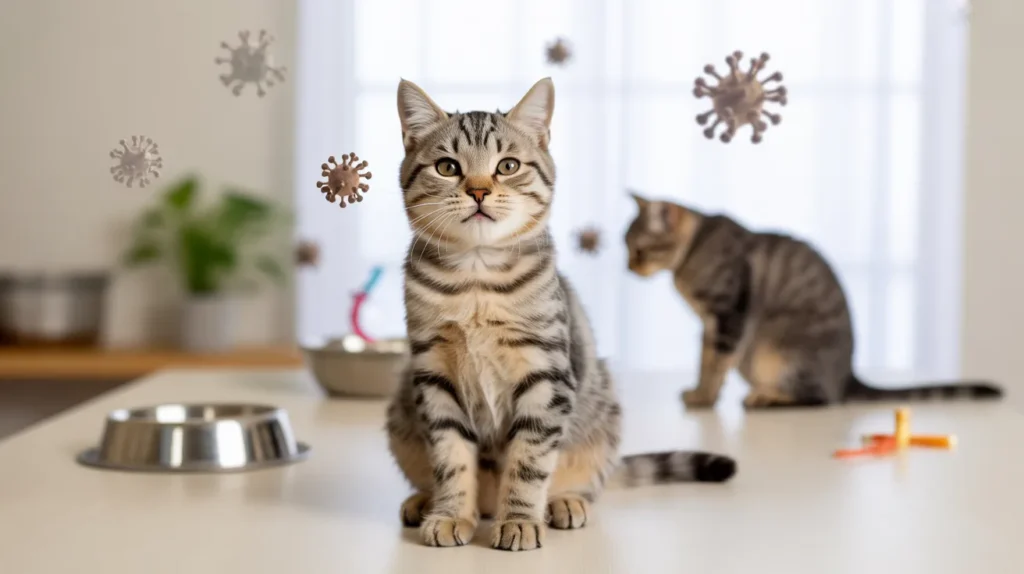
These viruses spread easily through direct contact, shared food bowls, grooming tools, or sneezing droplets. Stress, poor nutrition, or a weakened immune system can make symptoms worse.
In some cases, secondary bacterial infections develop on top of the viral infection, which is when antibiotics may be needed.
Cold Symptoms in Cats vs Allergies: How to Tell the Difference
One common question I hear from readers is about cold symptoms in cats vs allergies. The two can look similar, but there are key differences.
Colds:
Sneezing with discharge
Lethargy
Reduced appetite
Symptoms worsen over days
Allergies:
Itchy skin or excessive grooming
Sneezing without discharge
Normal energy levels
Symptoms come and go with triggers
If symptoms persist longer than two weeks or keep returning, allergies may be worth discussing with your vet.
Real-Life Case Study: Luna’s Cold Scare
When Luna was three years old, she suddenly stopped greeting me at the door. She was sneezing, had watery eyes, and barely touched her food. At first, I thought it was allergies, but by day three, the cat cold symptoms were clearly worsening.
I increased humidity in the room, gently cleaned her eyes with a warm cloth, and warmed her food to help stimulate her appetite. Despite this, she still seemed lethargic, so I booked a vet visit.
The diagnosis? A mild upper respiratory infection in cats. With supportive care and close monitoring, Luna fully recovered in about 10 days. That experience taught me that early action—and knowing when to take a cat to the vet for cold symptoms—makes all the difference.
If your cat has mild symptoms, supportive care at home can go a long way.
Helpful home care strategies:
Keep your cat hydrated: Offer fresh water or low-sodium broth
Warm, smelly food: Heating food slightly can encourage eating
Humidity helps: A humidifier or steamy bathroom can ease congestion
Gentle cleaning: Wipe eyes and nose with a warm, damp cloth
Reduce stress: Provide a quiet, warm resting space
Never give human cold medications to cats—many are toxic and dangerous.
When to Take a Cat to the Vet for Cold Symptoms
While many feline colds resolve on their own, veterinary care is essential if:
Symptoms last longer than 10 days
Your cat stops eating or drinking
Breathing becomes difficult
Discharge becomes thick or discolored
The cat is very young, elderly, or immunocompromised
Knowing when to take a cat to the vet for cold symptoms can prevent complications and speed up recovery.
Can Cats Catch Colds From Humans?
This is a common concern, but the answer is reassuring. Cats generally do not catch colds from humans. Feline viruses are species-specific. However, cats can easily spread colds to other cats, so isolation during illness is a smart move in multi-cat homes.
How Long Do Cold Symptoms Last in Cats?
In most mild cases, cold symptoms in cats improve within one to two weeks. Some viruses, like feline herpesvirus, can remain dormant and flare up during periods of stress. These cats may experience recurring symptoms, but they’re often milder with good immune support and preventive care.
Preventing Cold Symptoms in Cats
Prevention isn’t always possible, but you can reduce the risk by:
Keeping vaccinations up to date
Minimizing stress
Maintaining good hygiene
Feeding a balanced, high-quality diet
Isolating sick cats when possible
A strong immune system is your cat’s best defense.
Final Thoughts
Cold symptoms in cats are common, but they shouldn’t be ignored. From early cold symptoms in cats like sneezing to more serious signs that require veterinary care, understanding what’s normal—and what’s not—empowers you as a pet parent.
My experience with Luna taught me that paying attention, acting early, and trusting your instincts can make a stressful situation much easier to handle. With the right care, most cats recover quickly and get back to their happy, curious selves.
Learn more about the unique traits and care tips for an Australian Shepherd Mix in our detailed guide.
FAQs
How do you treat a cat with a cold?
Treatment focuses on rest, hydration, humidity, and monitoring. Vet care is needed if symptoms worsen or last more than 10 days.
Do cat colds go away on their own?
Yes, many mild cat colds resolve naturally within 1–2 weeks if the immune system is strong and care is consistent.
What does a cat cold sound like?
A cat cold often sounds like repeated sneezing, snuffling, nasal congestion, or noisy breathing due to blocked airways.
What symptoms do cats have when they have a cold?
Common symptoms include sneezing, runny nose, watery eyes, low energy, and reduced appetite.