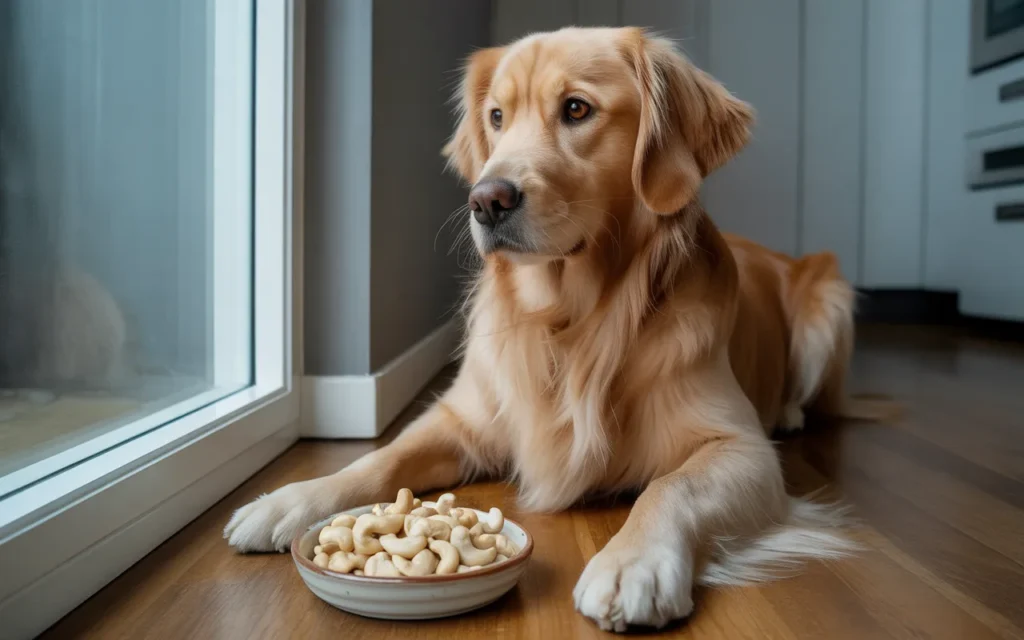
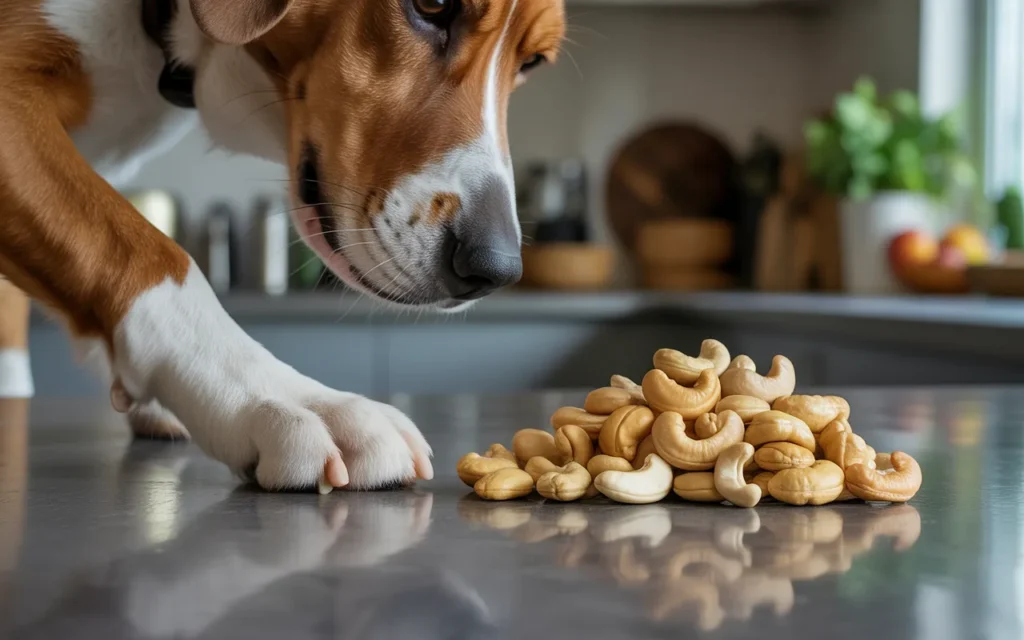
If you’ve ever found yourself snacking on cashews while your dog watches with hopeful eyes, you’ve probably asked: can dogs eat cashews? These crunchy, buttery nuts are a favorite among humans for their protein, healthy fats, and essential vitamins—but can the same benefits extend to your canine companion? As a pet expert with years of observing dog nutrition, I can say that cashews are safe for dogs in moderation, but there are important considerations every pet owner should know to keep their dog healthy and happy.
Content
Why Dog Owners Wonder: Can Dogs Eat Cashews?
Dogs love to explore new flavors, and many owners are tempted to share their favorite nuts. Understanding whether dogs can eat cashews safely is crucial, as not all human foods are suitable for pets. While cashews are not toxic like macadamia nuts, there are risks if they’re fed improperly. This makes learning about serving size, preparation, and health effects essential for responsible dog owners.
Are Cashews Safe for Dogs to Eat?
Plain, unsalted cashews are generally safe for dogs in small amounts. Here’s what you need to know:
Avoid salted or flavored cashews, as added sodium and sugar can upset your dog’s stomach.
Serve plain, unsalted cashews to minimize risk.
Chop cashews into small pieces for smaller dogs or puppies to prevent choking.
Many dog parents ask, “are cashews safe for dogs to eat?” The answer is yes, but only in moderation. Using cashews as an occasional treat is safer than giving them in large quantities.
Nutritional Benefits of Cashews for Dogs
Feeding your dog cashews in small amounts can offer several advantages:
Protein: Helps maintain healthy muscles.
Healthy fats: Support a shiny coat and good skin health.
Vitamins and minerals: Cashews contain zinc, vitamin E, and magnesium, which promote immune function and bone strength.
The benefits of cashews for dogs in small amounts are best enjoyed when incorporated into a balanced diet. Too many cashews can lead to weight gain and digestive problems, so moderation is key.
Risks and Precautions When Feeding Cashews
Even safe nuts come with potential hazards:
High Fat Content – Overfeeding can lead to obesity or pancreatitis.
Allergies – Dogs may experience swelling, hives, or itching.
Salted or Flavored Cashews – Excess sodium or sugar can harm your dog.
Choking Hazard – Whole cashews can pose a risk for smaller breeds.
Real-Life Case Study: Max, a 25-pound beagle, was given a handful of salted cashews. Hours later, he developed vomiting and an upset stomach. After a vet visit and supportive care, he recovered quickly. This experience underscores why portion control is crucial and why dog owners must ask themselves, “how many cashews can a dog eat safely?”
Following the 10% rule, treats should make up no more than 10% of your dog’s daily calories. Examples:
Small dogs (10–20 lbs): 1–2 cashews per day
Medium dogs (20–40 lbs): 3–4 cashews per day
Large dogs (50+ lbs): 5–6 cashews per day
Introduce cashews gradually and observe your dog for any digestive issues or allergic reactions. This helps ensure that your dog enjoys the treat safely.
Safe Ways to Feed Cashews to Dogs
To feed cashews safely:
Use plain, unsalted cashews only.
Chop into bite-sized pieces for smaller dogs.
Use cashews as a training treat or mix them into meals.
Small amounts of cashew butter (without xylitol or added sugar) can also be offered sparingly.
These practices allow you to share the taste and nutritional benefits of cashews without exposing your dog to unnecessary risks.
Alternatives to Cashews
If you’re cautious about fat content or allergies, consider safer options:
Carrot sticks or apple slices (no seeds)
Unsalted peanuts in moderation
Dog-friendly biscuits or chews
Frozen yogurt or other low-calorie treats
These dog snack ideas and pet-friendly treats offer variety and reduce the risks associated with high-fat nuts.
Fun Ways to Incorporate Cashews
You can make small treats at home by combining unsalted cashews with plain yogurt and mashed banana in silicone molds and freezing them. This method creates a fun, interactive snack that your dog will love, while keeping portions controlled.
Conclusion: Can Dogs Eat Cashews?
So, can dogs eat cashews? Yes—when offered in moderation, as plain, unsalted nuts, and prepared safely. Cashews provide protein, healthy fats, and essential vitamins, but portion control, monitoring for allergies, and avoiding salted or flavored varieties are essential. By feeding responsibly, you can make snack time a safe and enjoyable experience for your dog. Always consult your vet if you’re unsure about introducing new foods.
Learn more about the care and nutrition tips for larger breeds like the Blue Cane Corso to keep your dog healthy and happy
FAQs About Can Dogs Eat Cashews?
Which nuts can dogs not eat?
ome nuts, like macadamias, are toxic to dogs. Avoid salted or flavored nuts to prevent health issues.
What to do if a dog eats cashews?
Monitor your dog for vomiting, diarrhea, or allergies. Contact a vet if symptoms appear.
Are cashews or peanuts better for dogs?
Both are safe in moderation, but plain, unsalted varieties are recommended. Cashews have more healthy fats; peanuts are lower in fat.
Can dogs eat cashew butter?
Yes, plain cashew butter in small amounts is safe. Avoid added sugar, salt, or xylitol.