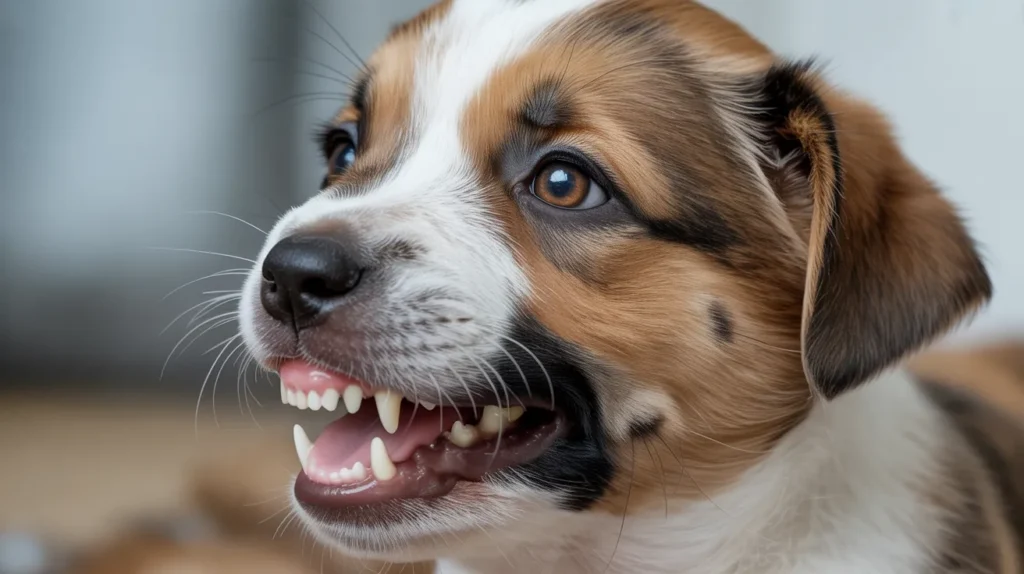
Bringing a puppy home is one of life’s joys—but along with all the cuddles and playtime comes the sometimes messy reality of teething. As a pet owner, you may have found tiny teeth around your living room or noticed your puppy chewing on everything in sight. If you’re wondering when do puppy teeth fall out, understanding the timeline, signs, and proper care can make this developmental stage much smoother for both you and your furry friend.
In this comprehensive guide, we’ll cover everything you need to know about puppy teething, including puppy teething timelines, signs of falling teeth, safe chew toys, common problems, and practical tips from real-life experiences.
Content
Understanding Puppy Teething
Puppy teething is the natural process where a puppy’s baby teeth, also called milk teeth, fall out to make room for permanent adult teeth. Most puppies are born without teeth, and the first tiny teeth begin to appear around three weeks of age.
By the time your puppy reaches six to seven months, they will typically have all their permanent teeth in place. During this period, you may notice your puppy chewing more than usual, some gum redness, and even minor bleeding. Understanding puppy dental development is essential to ensuring your pet’s oral health remains strong.
Puppy Teeth Eruption Timeline
Knowing the puppy teething timeline helps you anticipate when your puppy will lose their baby teeth:
3–4 Weeks: Incisors appear, tiny front teeth for nibbling.
4–6 Weeks: Canines emerge, sharp teeth used for biting and tearing.
5–6 Weeks: Premolars grow in, assisting your puppy with chewing.
6–8 Weeks: Some breeds start developing molars; full adult molars appear later.
The timeline may vary by breed and size, but most puppies follow this general progression. At what age do puppies lose their baby teeth? Typically between 12 and 16 weeks, with the full set of adult teeth appearing by seven months.
Signs Your Puppy’s Teeth Are Falling Out
Observing your puppy closely can help you notice signs your puppy’s teeth are falling out:
Loose or wiggly teeth
Increased chewing on toys, furniture, or fingers
Red or swollen gums
Mild bleeding around teeth
Occasional fussiness or reluctance to eat
From my personal experience as a pet owner, puppies often gnaw more aggressively when teeth are loose. If your puppy suddenly drops food while eating or refuses harder kibble, it’s usually a sign that their baby teeth are making way for adult teeth.
Real-Life Case Study: Max the Beagle
Max, a four-month-old Beagle, had just started losing his baby teeth when his owner noticed tiny teeth near his bed. Concerned, they consulted their veterinarian, who confirmed that Max’s experience was perfectly normal for his age.
To ease Max’s discomfort, his owner introduced safe chew toys and soft puppy-friendly treats. Max’s chewing habits shifted from furniture to his toys, and within a few weeks, his permanent teeth appeared without complications.
Key takeaway: Observation and providing safe chewing outlets help manage teething discomfort and prevent injuries or dental issues.
Proper care during the teething period ensures your puppy develops healthy teeth and gums. Here are some effective strategies:
1. Provide Safe Chew Toys
Best chew toys for teething puppies include soft rubber toys, rope toys, or teething sticks designed for puppies. Avoid hard objects like bones or household items that could break teeth or harm gums. Rotate toys regularly to maintain interest and reduce boredom.
2. Monitor Diet and Feeding Habits
Puppies may prefer softer foods during teething. Wet food, soaked kibble, or soft treats can reduce discomfort while ensuring proper nutrition. Avoid giving very hard biscuits until your puppy’s adult teeth are fully developed.
3. Promote Oral Hygiene
Early oral care sets the stage for lifelong puppy oral health. Begin brushing gently with a puppy toothbrush and canine-safe toothpaste. This prevents plaque buildup and establishes healthy habits.
4. Comfort and Distraction
Teething can be uncomfortable, causing drooling or irritability. Offering cold chew toys or a chilled washcloth to gnaw on can soothe sore gums and provide comfort.
5. Monitor for Complications
Occasionally, a baby tooth may become retained, or gums may appear infected. Regular vet check-ups ensure any potential issues are addressed early.
Common Teething Problems in Puppies
While most puppies handle teething well, some may experience minor challenges:
Retained Baby Teeth: Baby teeth that do not fall out naturally may require vet intervention.
Gum Infections or Swelling: Persistent redness or bleeding should be evaluated by a veterinarian.
Destructive Chewing: Puppies may target furniture, shoes, or cords if safe alternatives aren’t provided.
With patience and proper management, teething issues are usually temporary. Understanding your puppy’s needs and monitoring progress ensures a healthy transition to adult teeth.
Conclusion: When Do Puppy Teeth Fall Out?
Teething is a natural and important part of your puppy’s growth. Knowing when do puppy teeth fall out, how to recognize signs, and providing proper care ensures a smooth transition from baby teeth to adult teeth. By following these strategies, your puppy can navigate teething comfortably, maintain good oral health, and grow into a healthy adult dog.
Remember Max the Beagle: patience, observation, and safe teething management make all the difference. With the right approach, this stage can be worry-free and even enjoyable for both you and your puppy.
Learn more about safe dog treats and whether Can Dogs Have Cashews in our detailed guide.
FAQs
What age is teething the worst for puppies?
Teething discomfort is usually most intense between 3–6 months, when baby teeth fall out and adult teeth emerge. Providing chew toys for teething puppies can help ease the pain.
Do puppies stop biting when their baby teeth fall out?
Puppies may still bite or chew for comfort even after baby teeth fall out. Consistent training and safe chew toys help redirect this behavior.
Do puppies swallow their teeth when they lose them?
It’s common for puppies to accidentally swallow a loose tooth. Don’t worry—most teeth pass safely through the digestive system.
Should I give my puppy chew toys during teething?
Yes. Safe chew toys reduce discomfort, satisfy the urge to chew, and protect household items.